Korean Food
Sweet Heat in Korean Comfort Food: A Beginner-Friendly Guide
Written by the Surisan editorial team. . Reviewed for originality, guest usefulness, menu clarity, and advertising policy transparency.
Reader intent
This guide is for guests asking: You want Korean flavor but are unsure how spicy or sweet the meal might feel. It is written to help with real ordering and visit decisions, not to replace current restaurant details from the cafe team.
High-value takeaway
Use this guide as a practical decision aid for "Sweet Heat in Korean Comfort Food: A Beginner-Friendly Guide". The most useful approach is to match the dish or visit idea to your appetite, spice comfort, group size, timing, and dietary questions, then confirm important details with the cafe when they matter.
Sweet Heat Is About Balance
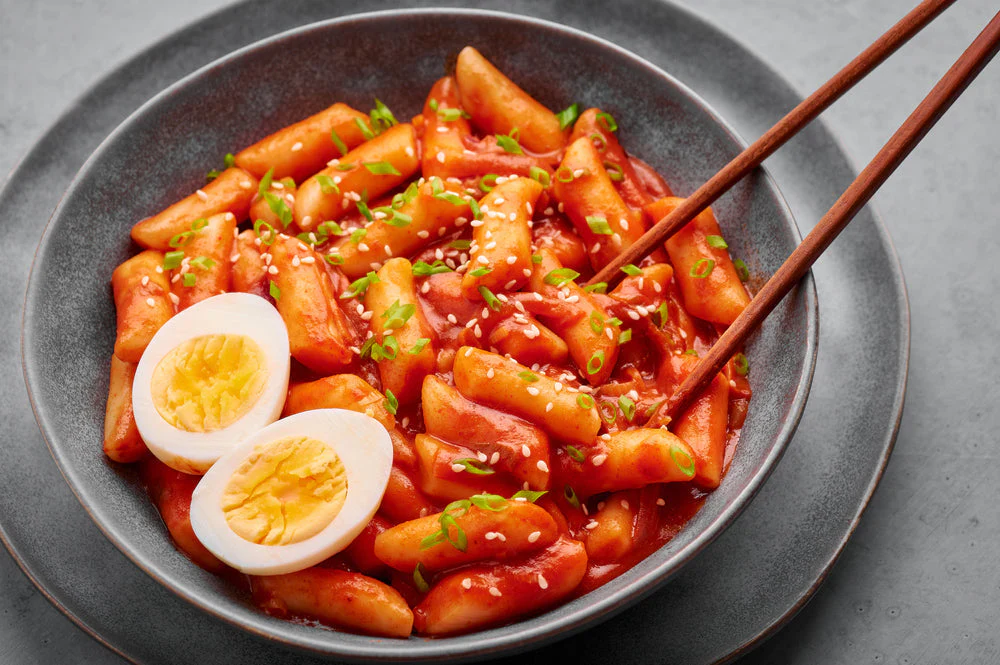
Korean comfort food often uses sweetness and spice together. The sweetness rounds the heat, while the heat keeps the sweetness from feeling flat. When done well, the result is warm, lively, and easy to keep eating.
This balance is different from food that is spicy only for intensity. Sweet heat should still allow you to taste rice, noodles, vegetables, protein, and sesame or garlic notes.
Texture Makes the Sauce Work
Dishes with chewy rice cakes, noodles, crisp chicken, or soft rice all carry sauce differently. Chewy texture makes sweet heat feel slower and deeper. Crisp texture makes it feel brighter and more immediate.
That is why two dishes with similar sauce notes can feel very different. Texture changes the way heat lands.
How to Order if You Are Cautious
If you are unsure about spice, choose one sauce-forward dish and one milder dish for the table. This lets you experience Korean heat without making the whole meal depend on it.
Ask about current preparation if heat level matters to you. Restaurant dishes can change, and a direct question is always better than guessing from a general description.
Best Pairings for Sweet Heat
Sweet heat pairs well with rice, egg, coffee, crisp vegetables, and mild sides. These elements give your palate a break while keeping the meal connected.
For a group, place the spicy-sweet dish beside something savory and something fresh. That creates a table with movement instead of repetition.
Decision checklist
Use "Sweet Heat in Korean Comfort Food: A Beginner-Friendly Guide" as a practical filter, not a rigid rule. Start with your appetite, then think about texture, spice comfort, portion style, timing, and whether you are ordering alone or sharing with a group.
For Korean Food topics, the most helpful question is usually simple: do you want something gentle and familiar, something crisp and rich, something spicy and energetic, or something balanced enough for a longer cafe visit?
What to verify before relying on this page
Restaurant details can change. Before making a special trip, confirm current hours, item availability, prices, ingredients, allergens, substitutions, and service options directly with the cafe team or the current ordering platform.
This is especially important for guests with dietary restrictions, allergies, large-party needs, tight schedules, or delivery expectations. A helpful article can guide your decision, but the cafe team has the most current operational information.
Common mistake to avoid
Do not choose only by the dish name or a single craving. A better order usually comes from matching the whole experience: base, sauce, protein or vegetable focus, spice level, crunch, sweetness, and how much food the table actually wants.
Before you visit
Use this article with the Surisan menu, location page, and contact page. Menu items, prices, ingredients, hours, and availability can change, so confirm important details before making a special trip.